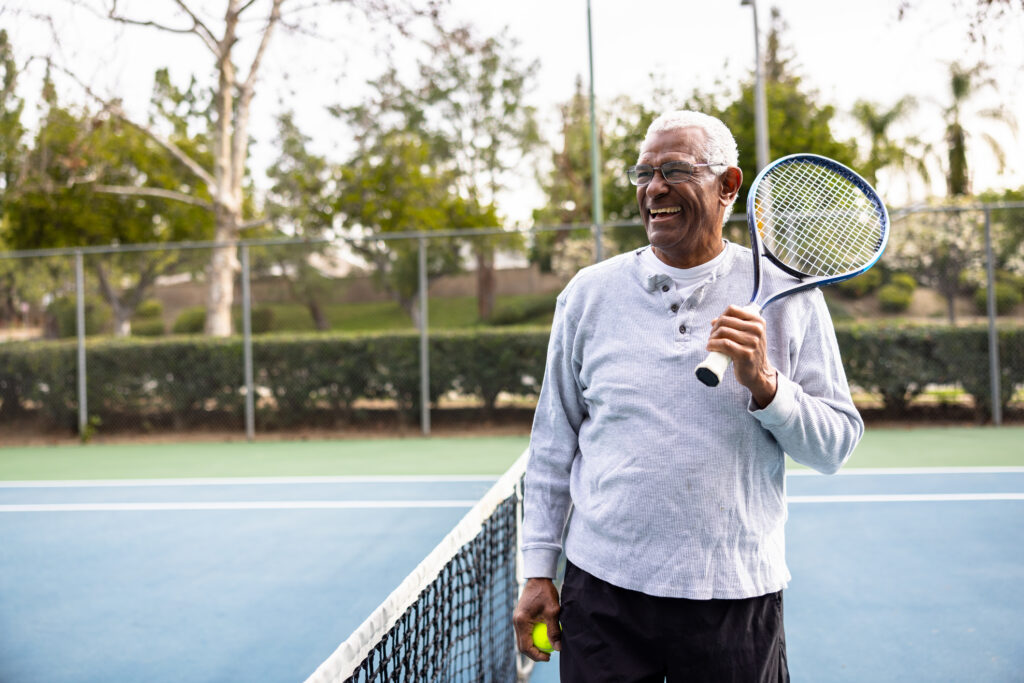
June is Men’s Health Month—a time dedicated to raising awareness about the unique health challenges men face and encouraging healthier lifestyles at every age. For older adults, this conversation becomes even more important. As men age, preventative care, social connection, physical activity, and emotional well-being all play a critical role in maintaining independence and quality of life.
At Brio Living Services, healthy aging means caring for the whole person. Supporting older men goes beyond medical care alone—it’s about helping individuals stay active, connected, purposeful, and empowered to live life fully.
Why Men’s Health Awareness Matters
Research consistently shows that men are less likely than women to schedule routine doctor visits, discuss mental health concerns, or seek preventive care. For older men, delaying care can increase the risk of chronic conditions becoming more serious over time.
Common health concerns for aging men may include:
Heart disease and high blood pressure
Diabetes
Prostate health concerns
Hearing and vision loss
Depression and social isolation
Reduced mobility and balance challenges
The good news is that many of these issues can be managed, or even prevented, through proactive wellness habits and regular screenings.
Healthy Aging Starts with Prevention
Preventive care is one of the most important tools older adults have for maintaining long-term health. Annual physicals, medication reviews, vision and hearing screenings, and staying up to date on vaccines can help detect concerns early and improve outcomes.
Staying Physically Active
Regular movement helps improve strength, balance, heart health, and energy levels. Walking groups, fitness classes, stretching, gardening, and recreational activities can all contribute to healthy aging. Most Brio Living Services communities and locations offer regular classes, fitness equipment, and group activities to meet the physical wellness needs of those we serve.
Prioritizing Mental Health
Mental health is just as important as physical health. Retirement transitions, grief, caregiving responsibilities, or changing health needs can affect emotional well-being. Open conversations, supportive relationships, counseling, and social engagement all help reduce isolation and improve quality of life.
Building Social Connection
Strong social connections are closely tied to healthier aging. Whether through volunteer opportunities, community events, shared meals, clubs, or faith communities, meaningful relationships help older adults stay engaged and connected.
Eating Well
Nutritious meals rich in protein, fiber, fruits, vegetables, and whole grains support energy, muscle health, and disease prevention. Staying hydrated and maintaining regular meal routines are also key components of wellness.
Redefining Strength in Older Adulthood
For many men, independence and self-sufficiency have long been tied to identity. But healthy aging also means recognizing when support can improve quality of life. Asking for help, prioritizing wellness, and staying connected are all signs of strength—not weakness.
Supporting Wellness at Every Age
At Brio Living Services, wellness is viewed through a whole-person lens—supporting physical, emotional, social, spiritual, and intellectual well-being. Through vibrant communities and locations, wellness activities, such as Brio’s award-winning Balanced Life program, and opportunities for meaningful connection, older adults are empowered to continue living rich, fulfilling lives.
This Men’s Health Month, it’s a great reminder for older men—and the people who care about them—to prioritize health, schedule preventive appointments, stay active, and invest in the habits that support lifelong well-being. Healthy aging isn’t about slowing down. It’s about continuing to live with purpose, connection, and strength at every stage of life. Reach out today to learn more about Brio’s commitment to aging well.